

Our services
CELTA Ltd. offers a predictive diagnostics system for lubricants, providing continuous real-time monitoring of key parameters and a transition from reactive to predictive maintenance.
How our solution works


How we help
We help enterprises monitor the condition of lubricants and critical components in real time, prevent equipment failures, and optimise maintenance processes.

Who our solutions are for
Our solutions are designed for companies for whom equipment reliability, reduced operating costs, and controllability of production processes are key factors.

Our solution
We offer a predictive lubricant diagnostics system — a comprehensive engineering and digital solution that combines sensors, data transmission, an analytics platform, and artificial intelligence algorithms.

System capabilities
The system provides continuous monitoring of oil parameters and enables:
- early detection of deviations;
- identification of risk modes;
- forecasting of maintenance intervals;
- transition to predictive servicing.
Our system
The lubricant diagnostics system includes the following key components:
Predictive sensing
A new generation of sensor solutions that allow hidden vulnerabilities in technological processes and equipment anomalies to be detected before failure occurs.
Key elements:
- Predictive analytics
- IoT technologies
- Full cycle: from hardware development to AI platform
The St. Petersburg-based team has extensive experience in developing applied solutions in the fields of sensors, optics and artificial intelligence.
Artificial intelligence
Sensor technology
Applied IT solutions
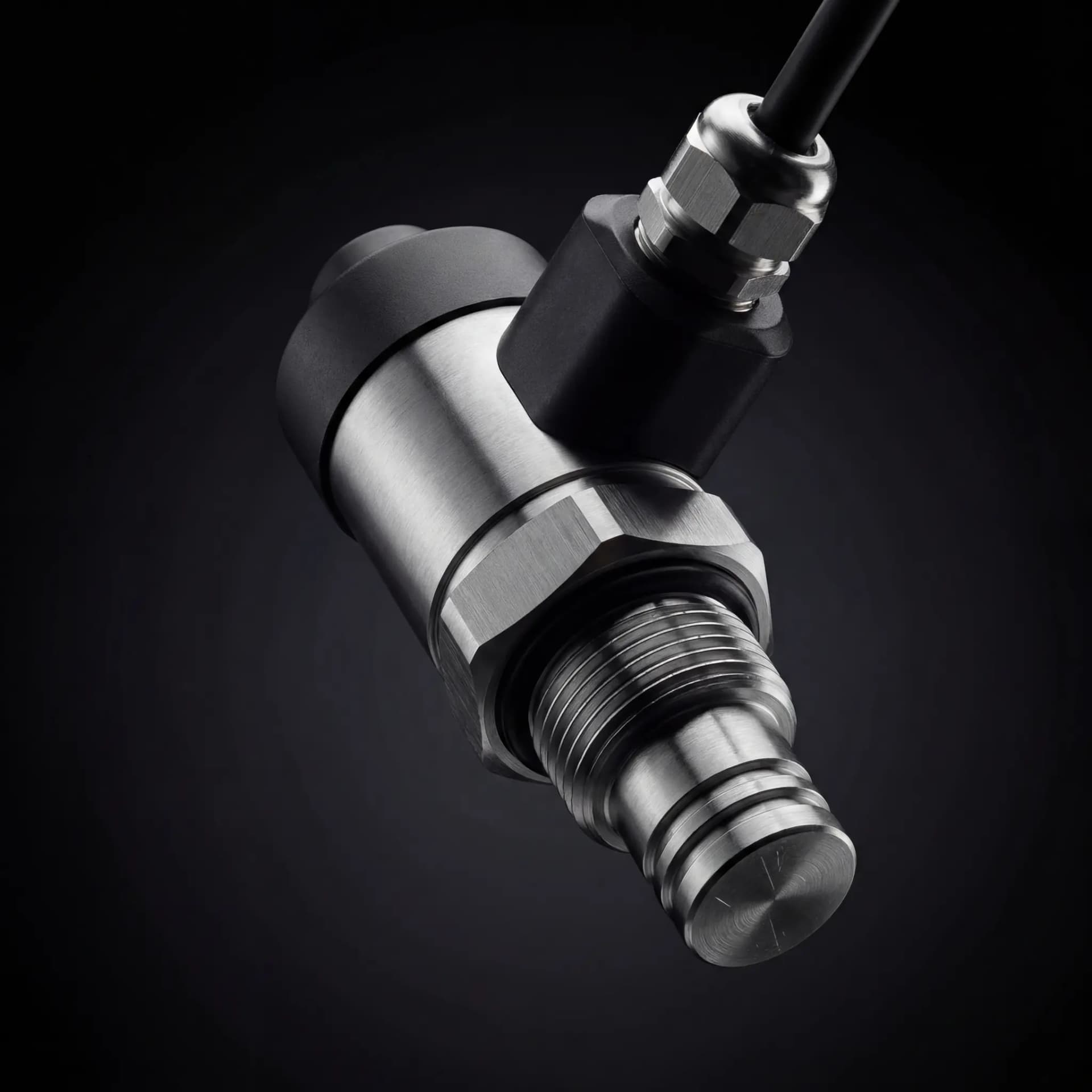

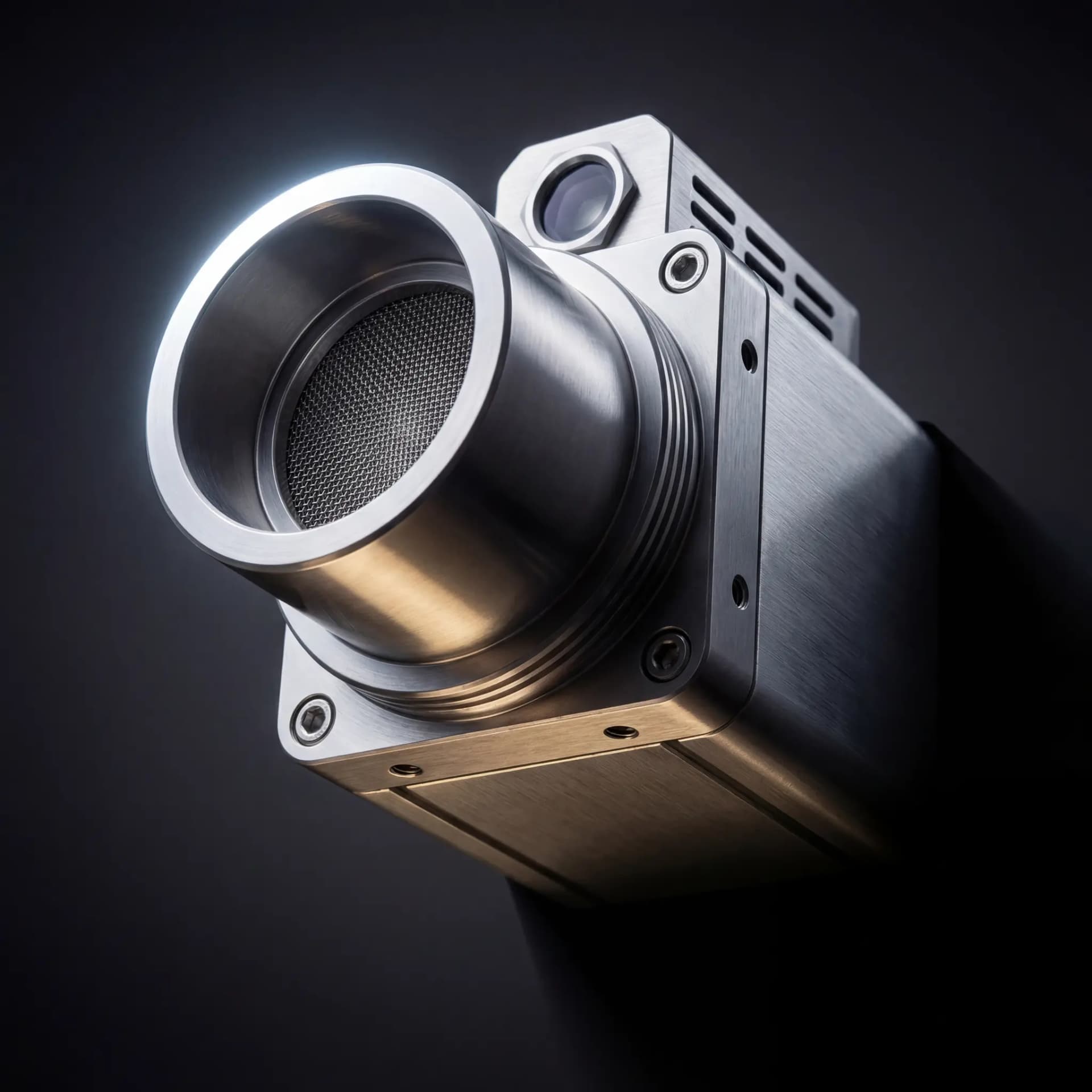
Lubricant control sensor
Measures the physicochemical parameters of the oil directly during equipment operation.
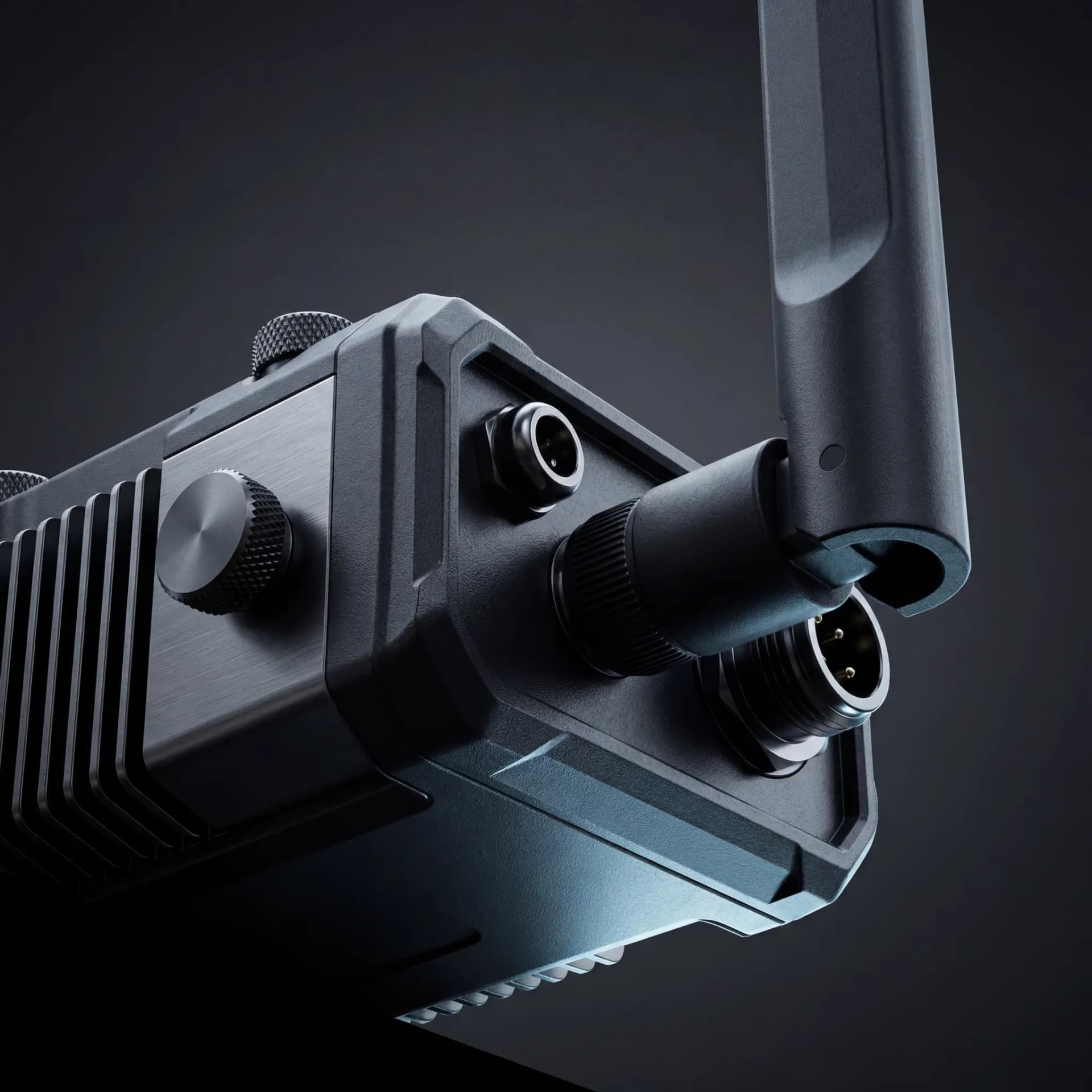
Data transmission system
Ensures reliable transmission of measurements to the server via mobile networks or low-power networks.
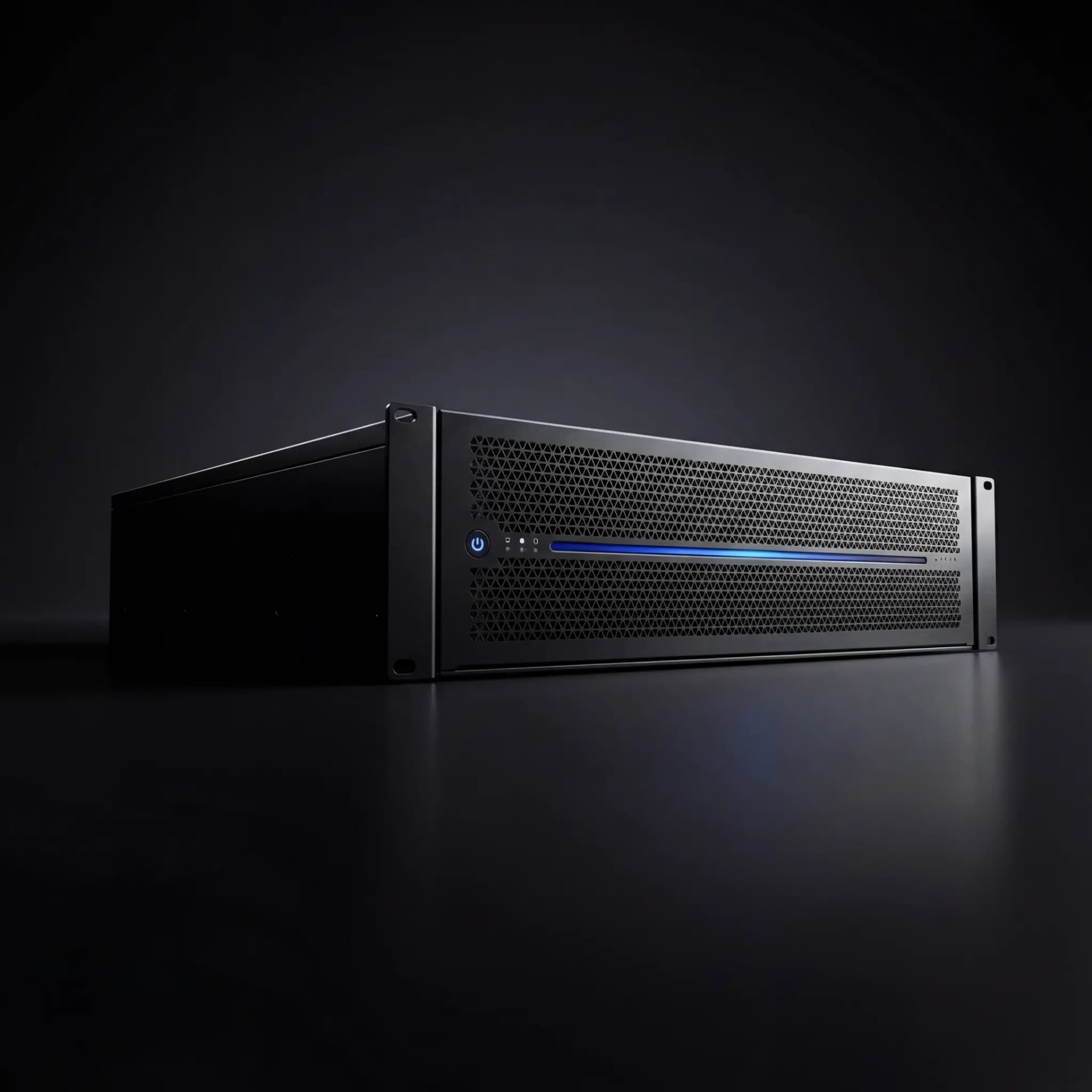
Server platform
Performs storage, processing and analysis of data, builds analytical models and generates recommendations.

AI algorithms and analytics
Analyse parameter dynamics, detect anomalies and forecast oil and equipment resource.

User interface
Provides visual information about the condition of equipment, warnings and recommendations for operation and maintenance.
Sensor viscosity readings by date
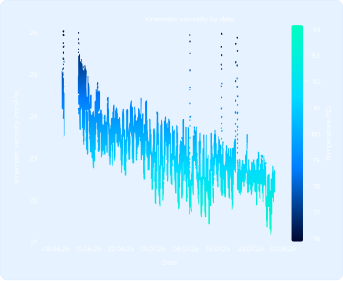
*Visualisation with demonstration data
How the system works
In real time the system monitors key parameters of lubricants, including:
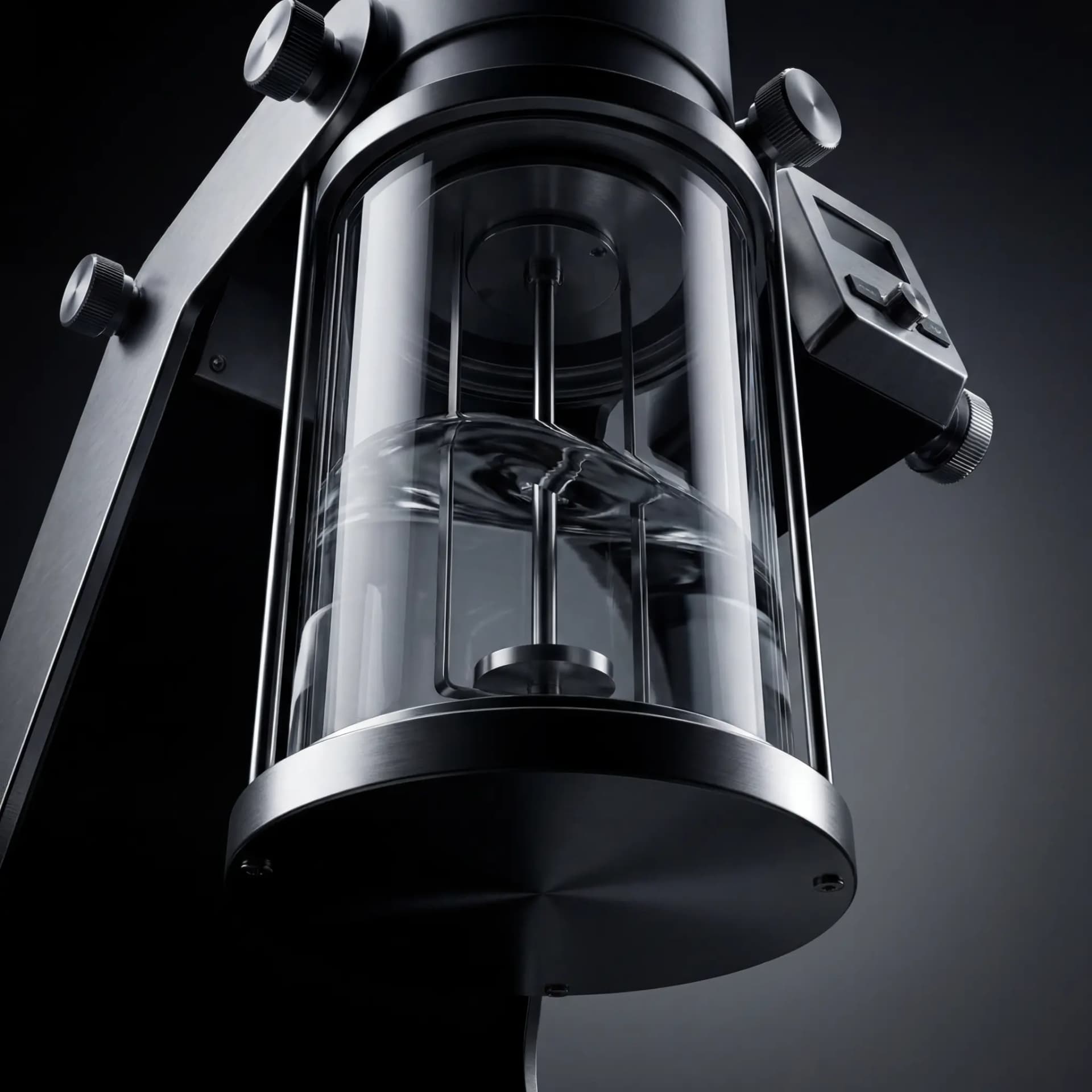

Viscosity
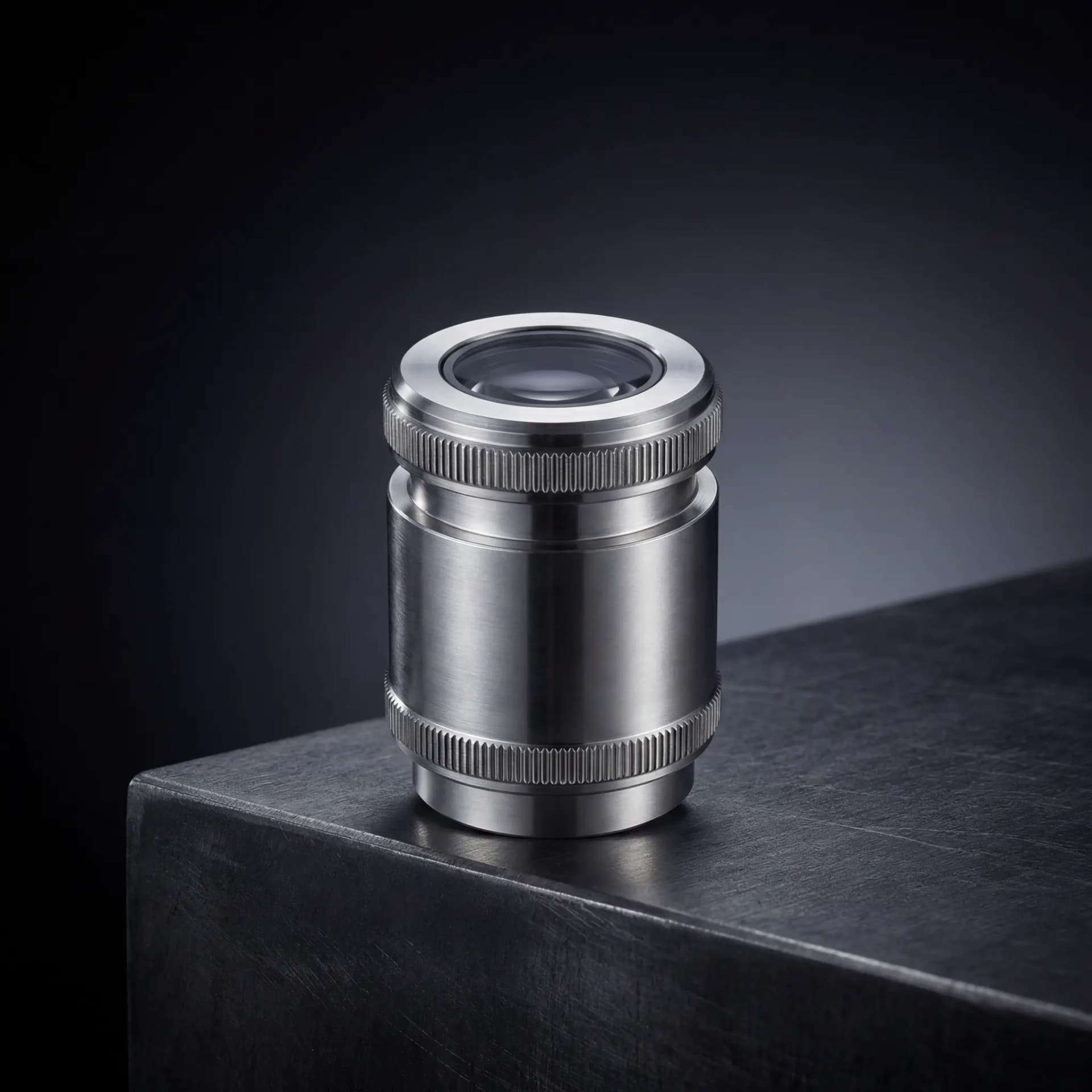

Density


Dielectric constant
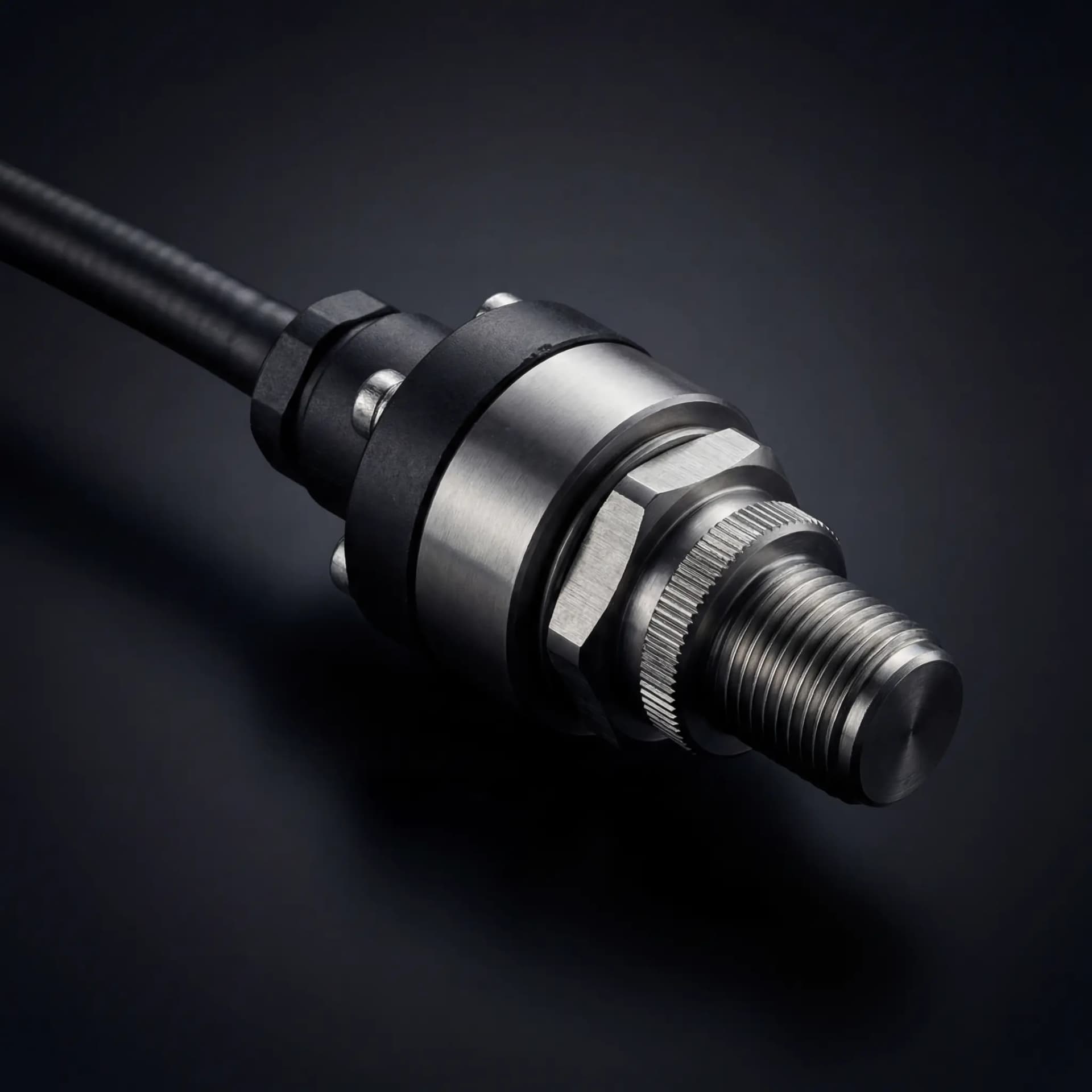

Temperature
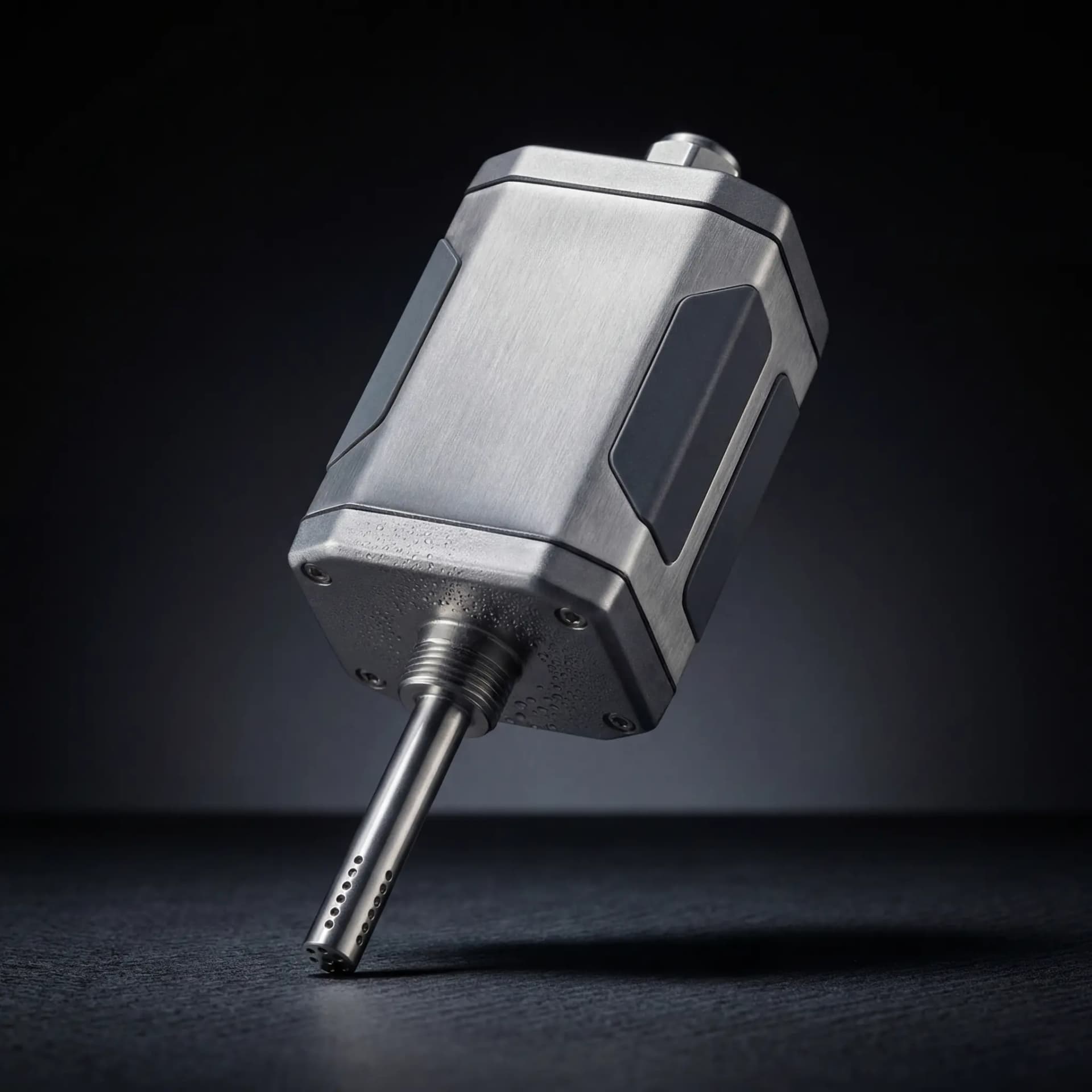

Water mass fraction

Presence of foreign particles and wear products
Installation and measurement
The sensor is installed in the oil or hydraulic system of the equipment and measures oil parameters at a set interval during operation.
Data transmission
The measured data is transmitted to the CELTA server platform via mobile networks or low-power networks.
Processing and analysis
The server platform stores and processes the data. AI algorithms analyse the parameters, comparing them with reference values and historical data.
Forecast and recommendations
The system detects deviations, forecasts the oil and equipment resource, and generates maintenance recommendations.
Notification and access
The user receives information and alerts via the system interface, with the ability to remotely access the sensors.
Installation and measurement
The sensor is installed in the oil or hydraulic system of the equipment and measures oil parameters at a set interval during operation.
Data transmission
The measured data is transmitted to the CELTA server platform via mobile networks or low-power networks.
Processing and analysis
The server platform stores and processes the data. AI algorithms analyse the parameters, comparing them with reference values and historical data.
Forecast and recommendations
The system detects deviations, forecasts the oil and equipment resource, and generates maintenance recommendations.
Notification and access
The user receives information and alerts via the system interface, with the ability to remotely access the sensors.
Example OPI for gas-piston installations
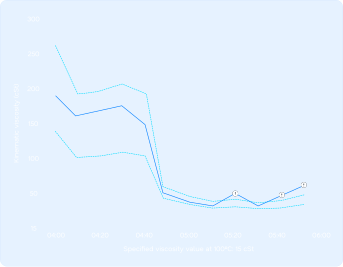
*Visualisation with demonstration data

Pilot
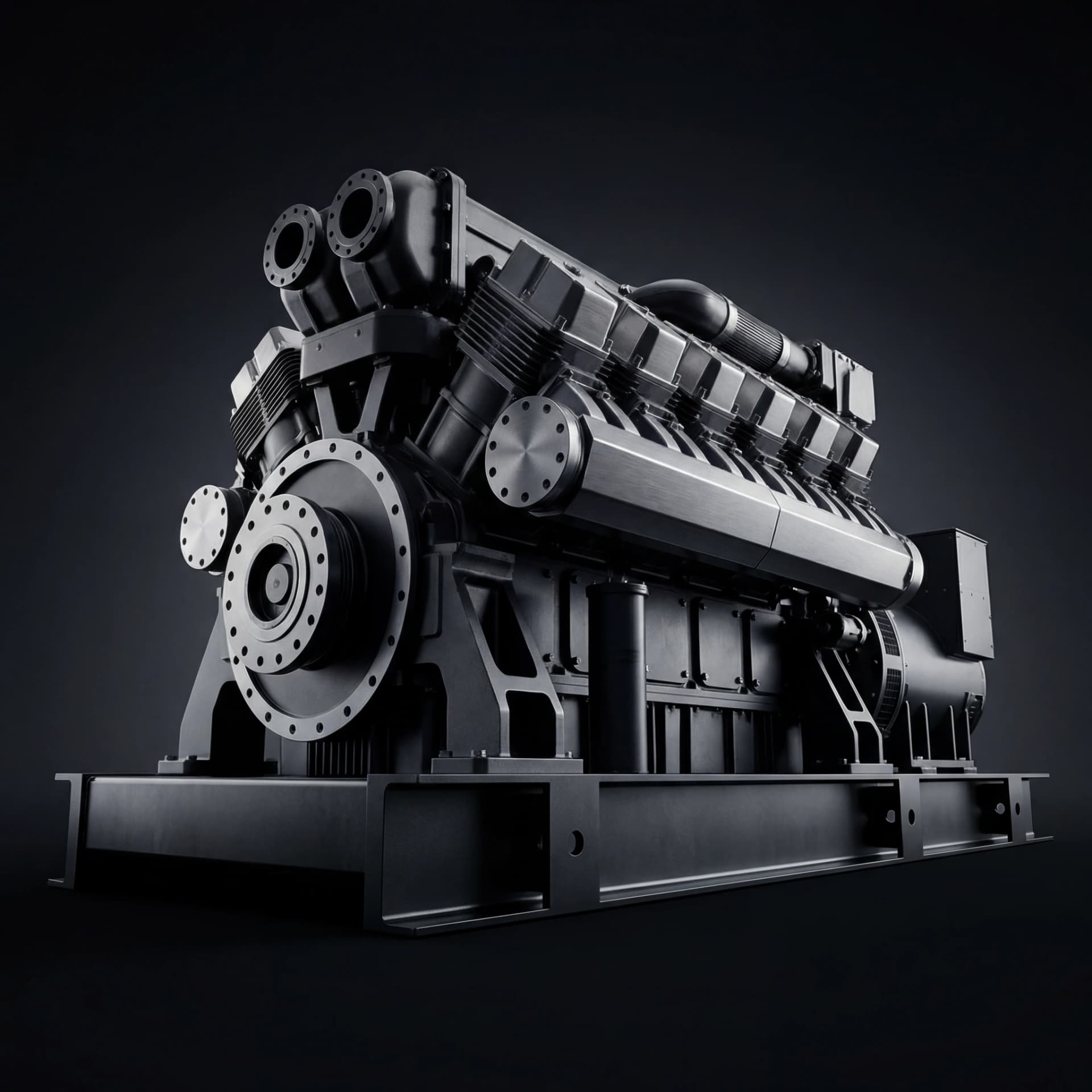
Northern field of PAO Gazprom Neft. Gas-piston units (GPU) of Cummins, Caterpillar brands and various diesel generator sets (DGS) participated in the OPI.
Current situation
- Incoming and ongoing oil quality control;
- Periodic sampling every 250 hours of GPU operation.
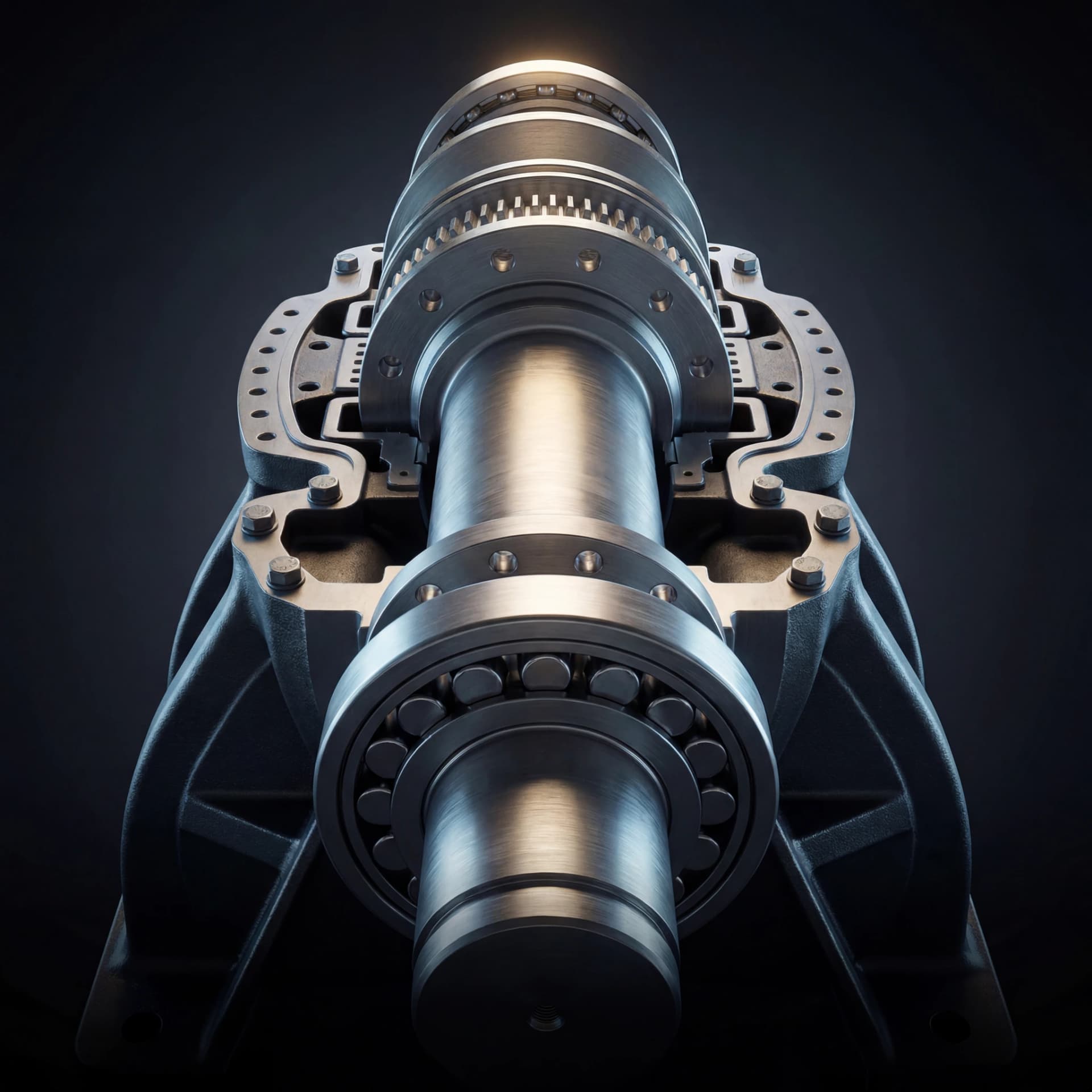
Main reason for implementing the technology
Equipment downtime, as it is the sole source of energy for the field facilities.
Therefore, reliability and continuous operation are critically important and directly depend on the quality of lubricants and timely monitoring.

What will be (from 2026) — predictive maintenance and oil monitoring
- Reducing oil consumption by increasing the oil change interval by 27%;
- Increasing the time before failure (+1 year);
- Reducing maintenance costs.
Value for the client
Implementing the lubricant diagnostics system allows enterprises to:
- reduce unplanned equipment downtime;
- cut costs for repairs and emergency maintenance;
- reduce lubricant consumption by up to 20–27%;
- extend the service life of units and assemblies;
- improve the reliability and predictability of equipment operation;
- optimise maintenance schedules.
The economic effect has been confirmed by pilot projects and industrial operation.
Without a predictive diagnostic system

 Maintenance costs
- Unexpected failures
- Equipment service life
- Equipment operating efficiency
With a predictive diagnostic system

 Maintenance costs
- Unexpected failures
- Equipment service life
- Equipment operating efficiency
Our solutions are used for monitoring and diagnostics of:
- gas-piston and diesel-electric installations;
- industrial and quarry machinery;
- agricultural machinery;
- pump equipment;
- hydraulic systems;
- industrial machines and units.
The system is in demand across the following industries:
- energy;
- mining;
- agro-industrial complex;
- logistics and transport;
- processing industry.
Application examples across industries
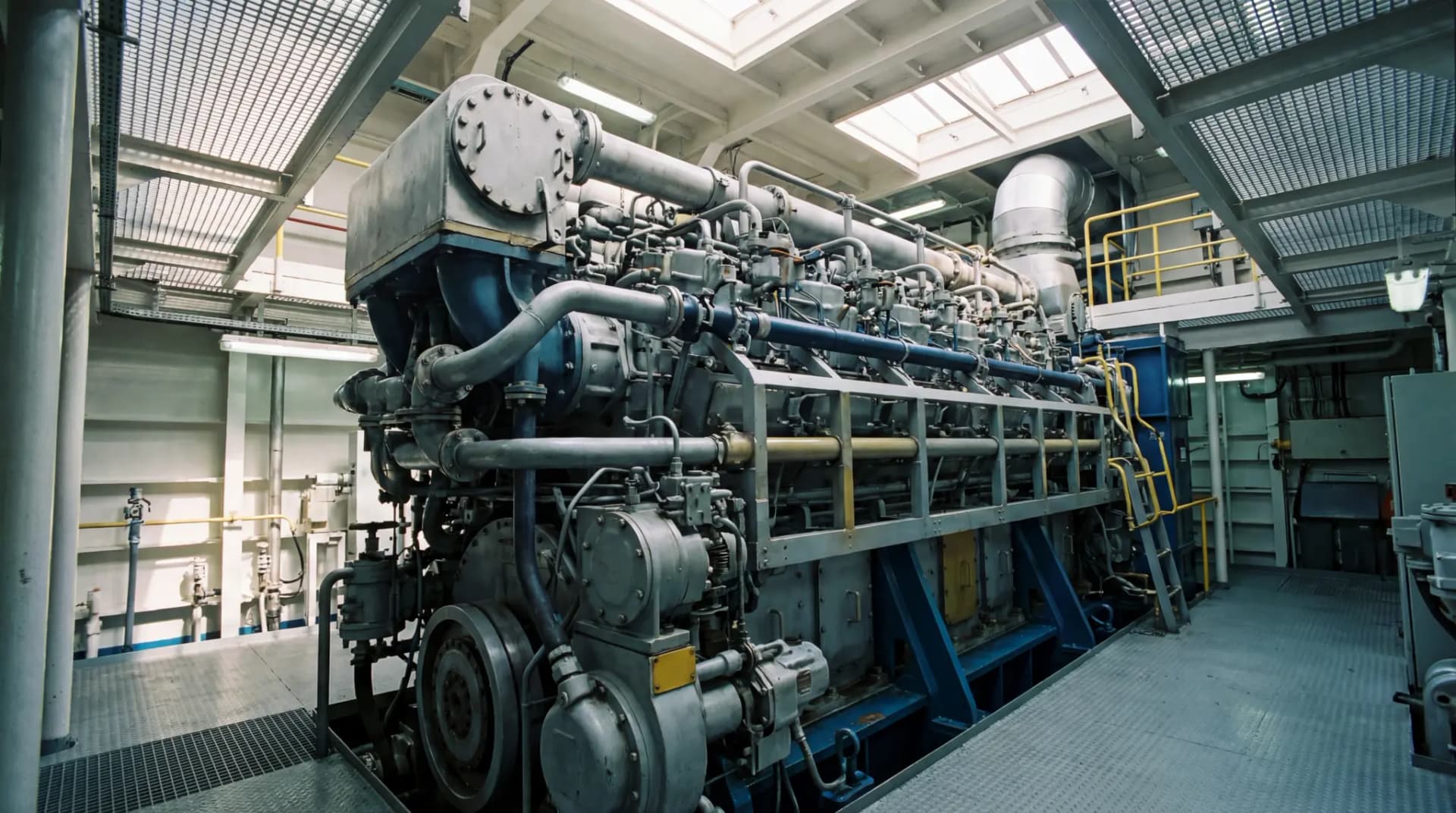
Fleet: ships, marine vessels
- Engines;
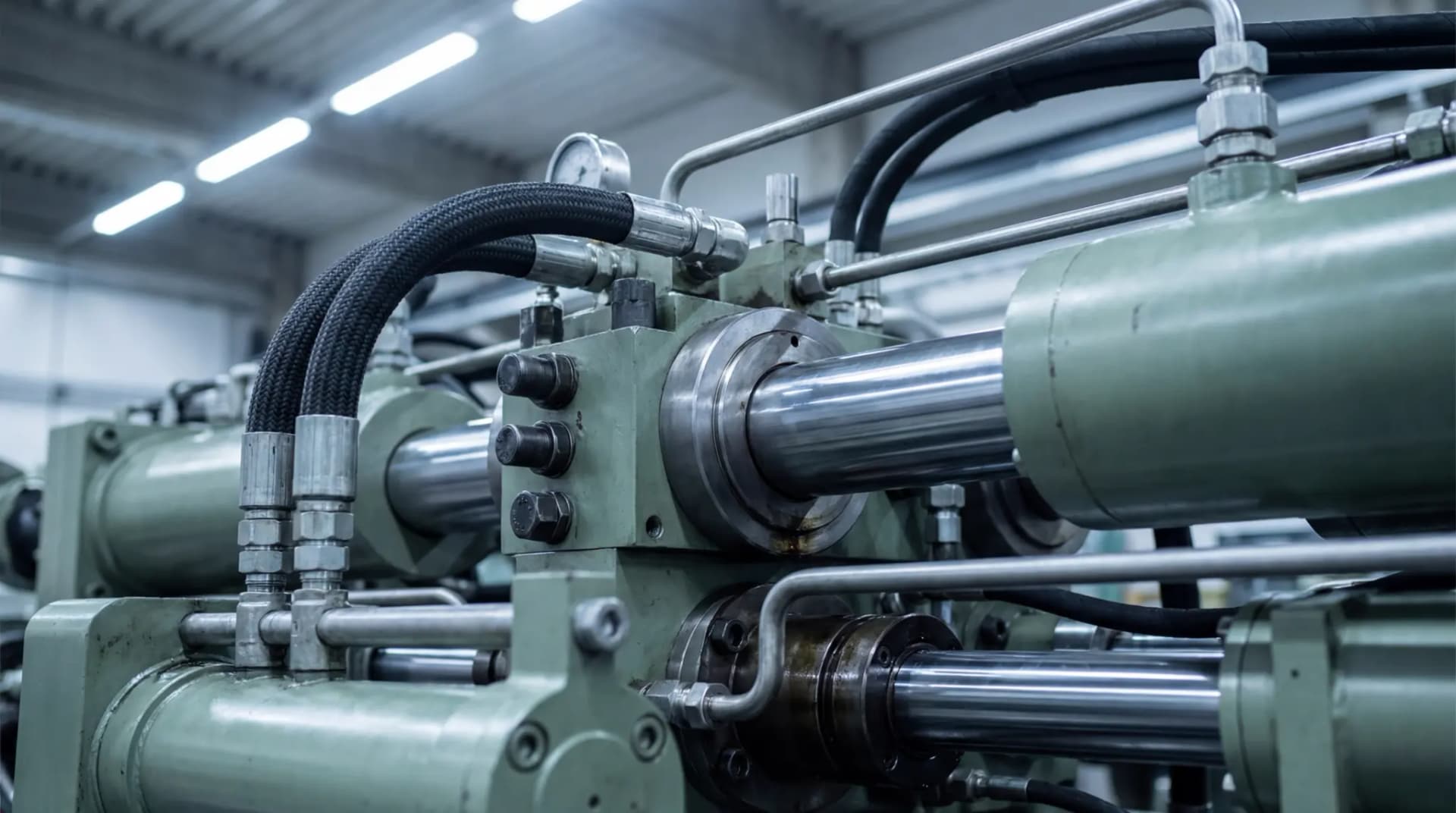
- Hydraulic systems.
Purpose:
- Engine operation monitoring;
- Oil parameter monitoring;
- Predictive equipment analytics (early fault detection);
- Engine maintenance activity control.
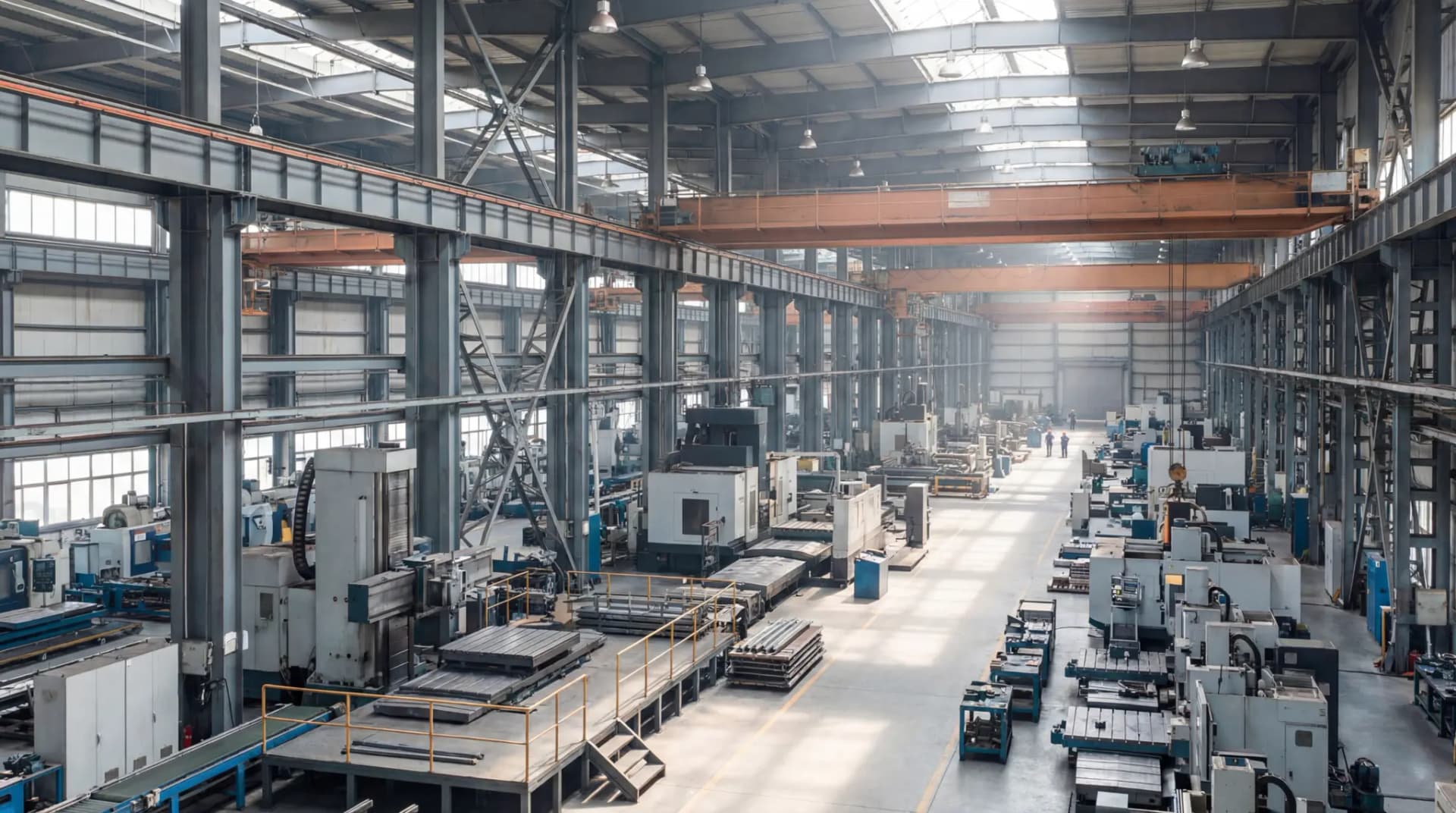
Manufacturing: shipyards and related plants
- Equipment with internal combustion engines (machines, specialised machinery);
- Machines and units with hydraulic systems.
Purpose:
- Predictive equipment analytics (early fault detection);
- Maintenance schedule optimisation.
Diagnostics of gas-piston installations
Monitoring of GPU oil parameters
Real-time monitoring of oil parameters during installation operation.
Purpose:
- Installation operation monitoring;
- Oil parameter monitoring;
- Predictive equipment analytics (early fault detection);
- Monitoring of completed installation maintenance activities.
Servicing and engine oil
Maintenance savings:
increasing the service interval by 15–20% between oil change maintenance activities.
Reducing oil consumption by up to 20%:
- Through maintenance schedule optimisation;
- Determining the exact moment for oil change.
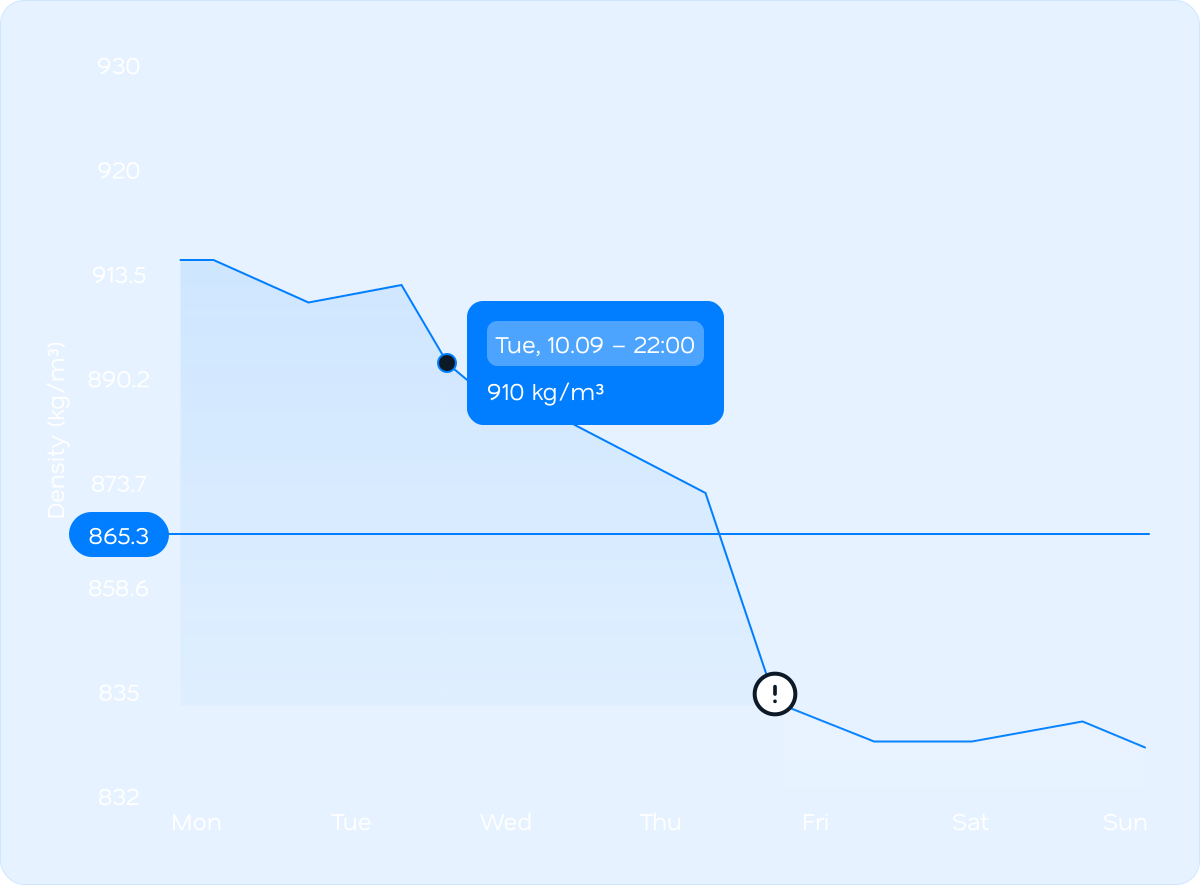
*Visualisation with demonstration data
Cooperation Formats
We offer flexible working formats:

Pilot Projects
Trial industrial operation

Individual Implementation
Implementation tailored to the needs of a specific enterprise

System Integration
Integration with existing IT and MRO systems

Technical Support
Support and development of the solution

Request a consultation to discuss your enterprise's challenges and the options for implementing a predictive lubricant diagnostics system
Get a consultation